Gilda McDowell Immigration Law
Request an Immigration Assessment Request an Assessment
Gilda McDowell Immigration Law
Call Now (806) 590-1242

F-1 · J-1 · M-1 Visa Guidance

Your U.S. education deserves a clear visa strategy.

School admission is only one part of the journey. Your visa category, application record, financial evidence, interview, employment decisions, and ongoing student status must work together from the beginning.

The initial assessment is a preliminary intake step, not legal advice or a promise of representation. Student and exchange matters are fact-specific.

Study Route Overview
F-1 AcademicColleges, universities, language programs and qualifying schools
J-1 ExchangeApproved educational and cultural exchange programs
M-1 VocationalQualifying technical and nonacademic programs
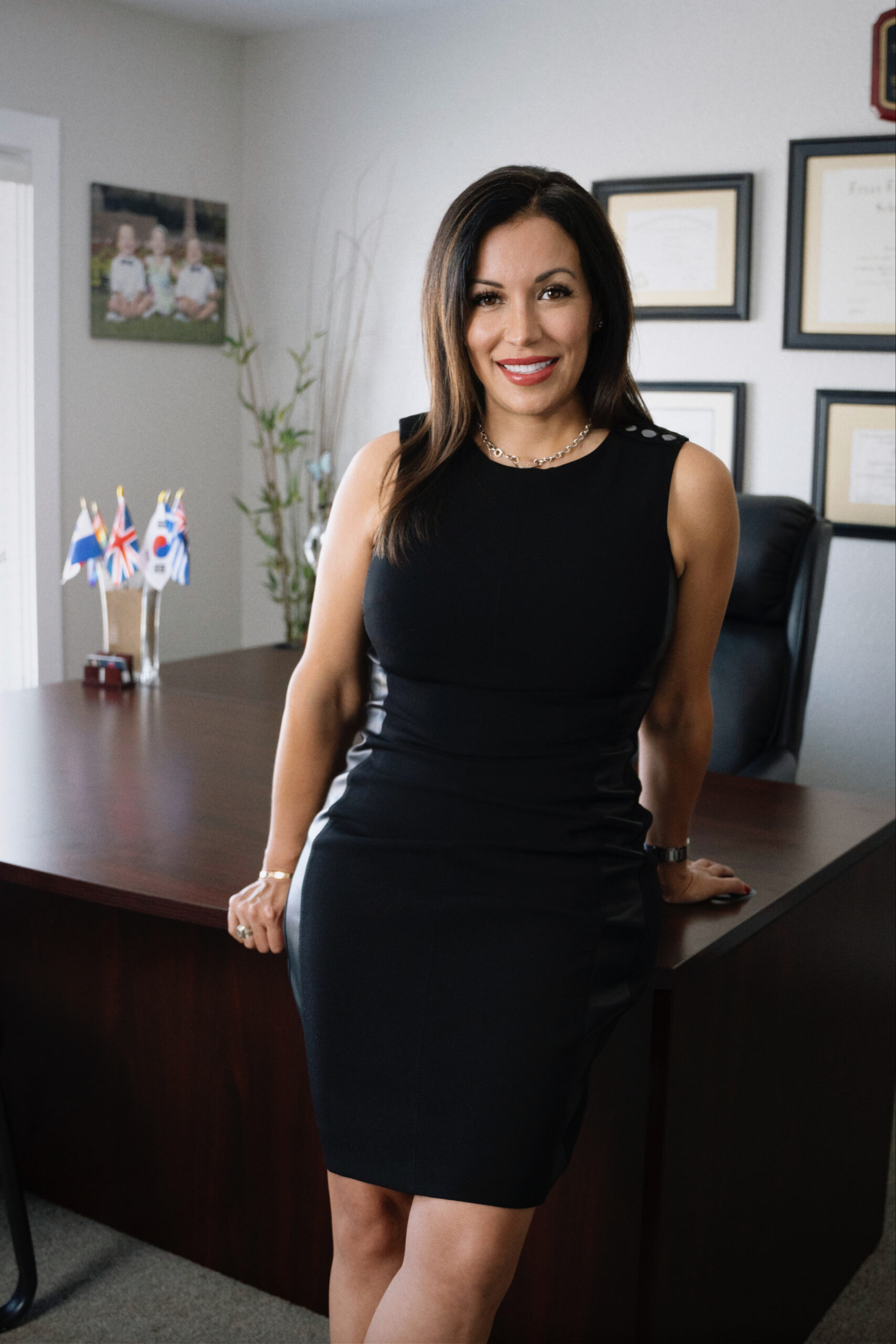
Immigration attorney Gilda McDowell
Since 2009Immigration-focused legal guidance
English & SpanishClear communication from a bilingual team
Truth-First ReviewRisks and realistic options explained honestly
Structured ProcessPreparation before applications and interviews
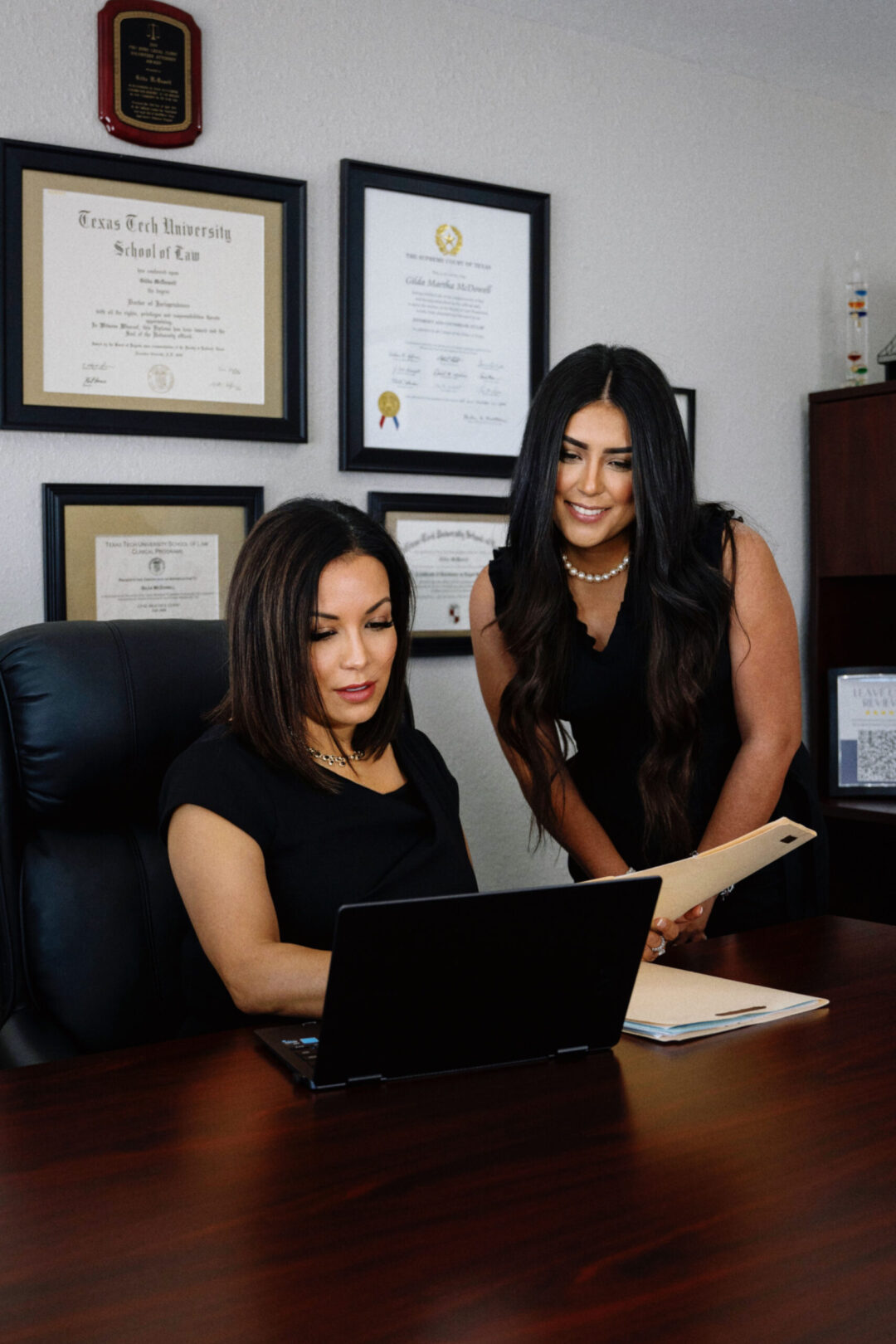
Gilda McDowell meeting with an immigration client in her office
Clarity before action. A student visa decision should account for your school, program, immigration history, timing, finances, travel, and long-term objective.

More Than a School Acceptance

Student status is a legal responsibility from arrival through completion.

A successful education plan requires more than receiving an I-20 or DS-2019. The information in your application, the purpose you explain at interview, your course load, employment, school transfers, program dates, and travel decisions can all affect your ability to remain in lawful status.

Some students need help before applying abroad. Others are already in the United States and need to evaluate a change of status, transfer, reinstatement concern, employment question, or plan after graduation.

“We do not begin with promises. We begin with the facts, the rules, and the clearest lawful next step.”
  • Understand which study-related classification fits the actual program.
  • Prepare a consistent, credible application and interview record.
  • Identify status risks before they become immigration violations.
  • Coordinate study, employment, travel, and future plans carefully.

Choose the Correct Legal Category

The program—not preference—determines the visa route.

F-1, J-1, and M-1 classifications serve different purposes. Each has separate documents, sponsors, employment rules, dependent rules, and status requirements.

F-1
Academic Student

F-1 Academic Study

Commonly used for full-time study at qualifying colleges, universities, seminaries, conservatories, academic high schools, elementary schools, and language-training programs.

  • Requires acceptance by an SEVP-certified school.
  • The school issues Form I-20.
  • Full-time enrollment and status maintenance are central.
  • Employment is limited to authorized categories.
Best for: qualifying academic or language study where the institution issues an F-1 Form I-20.
J-1
Exchange Visitor

J-1 Exchange Programs

Used for approved educational and cultural exchange programs administered by designated sponsors. Students, scholars, interns, trainees, teachers, and other participants may fall within different J-1 categories.

  • The designated sponsor issues Form DS-2019.
  • Program activity must stay within the approved category.
  • Employment requires sponsor authorization and category compliance.
  • Some participants may be subject to a two-year home-residence requirement.
Best for: a structured exchange program offered through a designated sponsor rather than ordinary independent enrollment.
M-1
Vocational Student

M-1 Vocational Study

Used for qualifying vocational or other recognized nonacademic programs, excluding language training. M-1 rules are generally more restrictive than F-1 rules, especially for program changes and employment.

  • Requires an SEVP-certified vocational institution.
  • The school issues Form I-20 for M-1 classification.
  • Employment is generally limited to authorized practical training after study.
  • Program duration, extension, and transfer rules require close attention.
Best for: qualifying technical, vocational, or nonacademic training programs that issue an M-1 Form I-20.

The Student Visa Journey

A lawful study plan is built in sequence.

The exact process depends on whether you apply through a U.S. consulate, request a change of status inside the United States, or participate through an exchange sponsor.

01
Choose the institution or sponsor
Confirm that the school is authorized for the appropriate student classification or that the exchange sponsor is designated for the J-1 category involved.
02
Receive the controlling document
An eligible F-1 or M-1 school issues Form I-20. A J-1 sponsor issues Form DS-2019. Review every name, date, program detail, funding entry, and dependent record carefully.
03
Complete SEVIS and application steps
Pay the required SEVIS fee when applicable and prepare the appropriate visa or change-of-status filing. Information across forms, prior records, passports, and supporting documents must remain consistent.
04
Prepare for the visa interview
Be ready to explain the program, funding, academic or professional purpose, prior immigration history, and temporary intent. A visa approval can never be guaranteed.
05
Enter and report correctly
Travel only within the permitted time, carry the required documents, review the admission record, and complete the school or sponsor’s arrival and registration requirements.
06
Maintain status through completion
Follow full-course, employment, address, transfer, travel, program-end, and reporting requirements. Ask before acting when a decision could affect status.

Preparation Matters

A credible application connects the documents to a coherent purpose.

There is no single document that guarantees approval. Officers and immigration agencies review the complete record, including the program, finances, immigration history, eligibility, and whether the requested classification matches the actual plan.

Core Records

  • Valid passport and identity records
  • Form I-20 or DS-2019
  • SEVIS fee receipt when required
  • School or program acceptance
  • Academic and professional history
  • Prior visa and immigration records

Case-Specific Proof

  • Tuition and living-expense funding
  • Sponsor or scholarship evidence
  • Program relevance and study purpose
  • Home-country ties and future plan
  • Dependent relationship documents
  • Explanations for unusual facts
Gilda McDowell in her immigration law office
Preparation should feel organized—not improvised. We identify the questions that matter, the documents that support the record, and the risks that should be addressed before submission.

Protect the Status You Worked For

Small decisions can create serious immigration consequences.

Enrollment, employment, travel, online coursework, program changes, transfers, and deadlines should be reviewed under the rules for your exact classification.

Enrollment & School Changes

F-1 and M-1 students generally must maintain a full course of study unless a properly authorized exception applies. Dropping classes, changing levels, transferring schools, extending a program, or taking too much online coursework may require advance coordination.

  • Do not assume academic permission equals immigration permission.
  • Speak with the designated school official before changing enrollment.
  • Keep copies of updated forms and approval records.

Employment & Practical Training

A student visa is not a general work permit. F-1 employment may include qualifying on-campus work, CPT, OPT, or another authorized category. M-1 practical training is limited and generally follows completion. J-1 employment depends on sponsor and program authorization.

  • Confirm authorization before the first day of work.
  • Make sure the work fits the approved category and dates.
  • Keep employment, school, and immigration records consistent.

Travel & Reentry

A valid visa stamp, valid passport, current Form I-20 or DS-2019, required travel endorsement, SEVIS record, employment documentation, and other evidence may matter for reentry. Travel during a pending change of status or other filing can have additional consequences.

  • Review documents before buying nonrefundable travel.
  • Understand the difference between status and a visa stamp.
  • Plan carefully during OPT, extensions, or pending filings.

Violations & Reinstatement

Falling out of status may affect continued study, employment eligibility, future visas, travel, and later immigration options. Reinstatement may be available in some cases, but eligibility and timing are strict and fact-dependent.

  • Act promptly after a SEVIS termination or status concern.
  • Do not create a second violation while trying to fix the first.
  • Review prior entries, work, and enrollment honestly.
Do not rely on social media advice for a status decision. A rule that applied to another student may not apply to your classification, school, program dates, prior history, or pending application. Verify before acting.
Gilda McDowell providing professional immigration guidance

How Our Firm Helps

Legal guidance for the decision in front of you—and the consequences beyond it.

Our role is not to sell certainty where the law does not provide it. We review the facts, identify the proper process, explain risks, and help you prepare a structured record.

1

Visa-category and eligibility review

Clarify whether the academic, vocational, or exchange route matches the program and your immigration circumstances.

2

Application and document strategy

Review forms, prior records, finances, sponsorship, program purpose, dependent issues, and supporting evidence for consistency.

3

Interview preparation

Prepare to answer truthfully and clearly about the school, funding, immigration history, future plan, and any difficult facts.

4

Change of status and reinstatement analysis

Evaluate timing, current status, program dates, prior violations, travel, and whether an inside-the-U.S. filing is appropriate.

5

Employment and post-study planning

Review CPT, OPT, STEM OPT, authorized practical training, sponsor rules, and potential later immigration categories without assuming eligibility.

Planning Beyond Graduation

A degree may open professional opportunities. It does not create automatic immigration status.

Some students may qualify for temporary practical training, employer-sponsored status, a family-based process, further study, or another legal category. Others may need to depart after the authorized period.

The right time to plan is before a program or employment authorization expires—not after a deadline has passed.

Future options depend on the facts and the law in effect at that time. A student visa should never be presented as a guaranteed route to employment or permanent residence.

Authorized Practical Training

F-1 OPT, a qualifying STEM OPT extension, CPT during study, M-1 post-completion practical training, or J-1 category-specific training may apply under separate requirements.

Further Academic Study

A new degree level, school transfer, program extension, or change in educational objective may require timely SEVIS action and updated documents.

Employment-Based Options

An employer petition may be possible for some graduates, but job title, degree, employer, timing, selection rules, status, and visa availability must be reviewed.

Family or Other Independent Paths

A genuine qualifying family relationship, humanitarian option, or another independent category may exist, but it must be evaluated separately from student status.

Immigration attorney Gilda McDowell

Meet Gilda McDowell

Immigrant-led legal guidance with structure, honesty, and perspective.

Gilda McDowell is an immigrant, a native Spanish speaker, and an attorney whose practice is focused on U.S. immigration law. She understands that an immigration decision is never merely a form—it can affect education, family, work, travel, and the future a person is trying to build.

Her firm approaches student and exchange matters with careful fact review, organized preparation, direct communication, and realistic legal guidance.

“If there is a lawful path forward, we will explain it clearly. If there are risks or no appropriate path, we will tell you honestly.”
  • Immigration Law Since 2009
  • Immigrant-Led
  • Native Spanish Speaker
  • English & Spanish
  • Truth-First Strategy
Learn More About Gilda

Frequently Asked Questions

Student visa questions deserve precise answers.

These general answers explain common concepts. Your school, classification, immigration history, timing, employment, travel, and future plans may change the analysis.

Understand the assessment process →
What is the difference between F-1, M-1, and J-1 status?

F-1 classification is generally used for full-time academic and language study. M-1 classification is used for qualifying vocational or nonacademic programs. J-1 classification is an exchange visitor category administered through designated sponsors. The correct route depends on the institution or sponsor, the program, and the real purpose of the stay.

Do I need a Form I-20 before applying for an F-1 or M-1 visa?

Normally, yes. You first apply to and are accepted by an SEVP-certified school. The school creates the SEVIS record and issues Form I-20. You then complete the required SEVIS-fee and visa-application steps. J-1 participants generally receive Form DS-2019 from a designated sponsor instead.

Can an F-1 student work in the United States?

Only in limited, authorized circumstances. Depending on eligibility, this may include qualifying on-campus employment, CPT, OPT, a STEM OPT extension, or another specifically authorized category. The rules differ by timing and type of employment. Never begin work based only on an employer’s or friend’s assurance.

Can I change from visitor status to student status inside the United States?

A change of status may be possible in some cases. However, a person in a status that does not permit study generally may not begin the academic program until the requested student status is approved. Current status, expiration date, program start date, travel, prior representations, and the original purpose of entry should be reviewed before filing.

What happens if I fall out of F-1 or M-1 status?

The response depends on the violation, why it occurred, when it happened, and what has occurred since. Reinstatement may be available in some cases. Other circumstances may require departure and a new admission. A terminated SEVIS record, unauthorized employment, or failure to maintain a full course load should be reviewed promptly.

Can my spouse and children come with me?

Qualifying spouses and unmarried children under 21 may be eligible for dependent classification, including F-2, M-2, or J-2. Each category has different work and study rules. For example, F-2 dependents are not granted a general right to employment, while J-2 employment may require separate authorization.

Does a student visa automatically lead to a green card?

No. Student and exchange classifications are temporary nonimmigrant categories. A later employer, family, humanitarian, or other option may exist for some individuals, but it requires a separate legal basis. A school admission, degree, OPT approval, or job offer does not itself guarantee permanent residence.

When should I speak with an immigration attorney?

Legal review is particularly important when there has been a prior denial, status violation, unauthorized employment, late filing, school-transfer issue, SEVIS termination, change-of-status request, arrest, removal history, misrepresentation concern, dependent issue, or plan to move from student status to another immigration category.

Start With the Truth

Make the next immigration decision with a clear legal plan.

Tell us where you are in the student visa process. Our team will review the basic facts and explain whether a consultation or another next step may be appropriate.

  • Private Initial Intake
  • English & Spanish
  • No Outcome Guarantees
  • Clear Next-Step Direction
Gilda McDowell, immigration attorney

Attorney advertising. The information on this page is general information and is not legal advice. Reading this page, submitting an assessment request, or communicating with intake staff does not create an attorney-client relationship. Every immigration matter is fact-specific, laws and agency procedures may change, and past outcomes do not guarantee future results. The Law Office of Gilda McDowell is a private law firm and is not affiliated with USCIS, ICE, the Department of Homeland Security, the Department of State, any school, or any government agency. Do not rely on this page for an imminent filing deadline, interview, departure date, SEVIS termination, or emergency.