Visit the United States with a plan built on the facts.
Whether the purpose is temporary business, tourism, medical care, or time with family, a visitor visa application must present a credible, consistent reason for the trip—and a clear intention to leave when the authorized visit ends.
Every application is fact-specific. An assessment is not a promise of eligibility, approval, admission, or representation.
Truth before paperwork.We review the purpose, history, risks, and evidence before recommending a next step.
B-1Qualifying temporary business travel
B-2Tourism, visits, and medical care
Temporary IntentPurpose, finances, and ties evaluated together
Structured ReviewConsistent facts before an application is submitted
Choose the Correct Purpose
B-1 and B-2 are both temporary—but they are not interchangeable.
The legal category must match what you actually plan to do. A combined B-1/B-2 visa is common, but each trip still has to fit a permitted visitor purpose.
B-1Temporary Business Visitor
Business travel without U.S. employment.
A B-1 visit may cover limited business activities when the traveler is not entering the U.S. labor market or performing ordinary productive employment.
Consulting with business associates
Attending qualifying conferences or conventions
Negotiating contracts or conducting limited meetings
Handling certain estate or commercial matters
The line between permitted business activity and unauthorized employment can be highly fact-specific.
B-2Temporary Visitor for Pleasure
Tourism, family visits, and medical treatment.
A B-2 visit is generally used when the trip is personal and temporary, with adequate resources for the stay and a credible plan to return abroad.
Tourism, vacations, or visiting destinations
Visiting family members or friends
Receiving medical evaluation or treatment
Participating in certain unpaid social activities
Full-time study and ordinary employment require a different legal basis.
A consistent story matters.The application, supporting evidence, interview answers, and travel history should not contradict one another.
Temporary Intent
The central question is not simply, “Why do you want to visit?”
Consular officers consider the complete circumstances: the purpose and duration of the trip, the applicant’s ability to pay, prior immigration history, and the ties that support a timely return home.
No single document automatically proves eligibility. Strong preparation means presenting accurate facts in a coherent way—not creating a story that sounds more persuasive than the truth.
01A defined and lawful purposeWhat will you do, where will you stay, who is involved, and how long is the trip expected to last?
02Financial abilityWho will pay for transportation, lodging, daily expenses, or medical care—and is the explanation supported?
03Reasons to depart after the visitEmployment, home, family relationships, education, business interests, and other commitments may be relevant.
“We start with the truth. If the facts support a path forward, the plan should make that path clear.”

Application Preparation
Documents should support the real purpose of the trip—not replace it.
Requirements can vary by embassy, nationality, travel purpose, and personal history. The following categories commonly help organize a visitor visa application.
Required application records
A valid passport, DS-160 confirmation page, appointment information, and fee receipt when required by the applicable post.
Home-country ties
Employment, business ownership, housing, education, family responsibilities, or other commitments that make departure credible.
Financial resources
Bank records, income evidence, sponsorship information, or other proof showing how the trip and living expenses will be paid.
Travel purpose and itinerary
A realistic description of planned locations, dates, activities, accommodations, meetings, or people to be visited. Final tickets should not be purchased merely to prove the case.
Business or invitation context
Conference information, meeting agendas, host details, or invitation letters may help explain the trip, but an invitation alone does not establish eligibility.
Medical treatment evidence
Diagnosis information, a U.S. provider’s treatment and cost estimate, and proof that medical, travel, and living expenses can be covered.
Important: more paper is not automatically better.Unnecessary records, inconsistent statements, false information, or material omissions can create more risk than a concise and truthful application.
Know the Boundaries
A visitor visa is not permission to do everything after entry.
The planned activity must remain within the visitor category. When the real objective is work, full-time study, permanent immigration, or another regulated activity, a different visa or legal strategy may be necessary.
B-1 permits only limited qualifying business activity. It does not authorize entering the U.S. labor market or working as though employed here.
Full-time academic study
Enrollment in a degree or full-time academic program generally requires an appropriate student classification before study begins.
Professional media or paid performances
Foreign press assignments, professional entertainment, and certain performance activities may require another visa category.
Crew-member activity
Working aboard a vessel or aircraft is not ordinary visitor activity and may require a crew visa or another classification.
Misrepresenting a permanent plan as a temporary visit
False statements or concealed intentions can lead to refusal, denial of entry, and potentially serious long-term immigration consequences.
The Application Journey
A clear process from travel purpose to port of entry.
The exact steps and interview rules depend on the U.S. embassy or consulate handling the application, but the core structure is generally consistent.
01
Define the purpose
Confirm that the intended activity fits B-1, B-2, or another visa category.
02
Complete the DS-160
Provide accurate biographical, travel, security, and immigration information.
03
Prepare and schedule
Follow the local post’s fee, appointment, photo, and supporting-document instructions.
04
Attend the interview
A consular officer evaluates eligibility and may issue, refuse, or require further processing.
05
Request admission
At the port of entry, CBP decides admission and the authorized period of stay.
After the Visa Is Issued
Visa validity and authorized stay are two different things.
Confusing these dates can cause an overstay even when the visa printed in the passport has not expired.
The Visa
Permission to travel and request admission.
The visa’s expiration date shows the period during which it may be used to travel to a U.S. port of entry, subject to the number of entries and other conditions shown on the visa.
A visa does not guarantee entry.Admission is determined by U.S. Customs and Border Protection when the traveler arrives.
The I-94
The record that normally controls how long you may stay.
After admission, the traveler should review the electronic Form I-94 record and confirm the class of admission and “Admit Until Date.” Do not assume that every visitor receives the same length of stay.
Act before the I-94 expires.An extension or change request may need to be filed with USCIS before the authorized stay ends. Filing does not guarantee approval.
After a Refusal
A 214(b) refusal is not permanent—but repeating the same application rarely solves the problem.
A refusal under Immigration and Nationality Act section 214(b) may mean the applicant did not establish eligibility for the category, did not overcome the presumption of immigrant intent, or both.
There is no appeal from a 214(b) refusal. A new application is possible, but the strategy should begin by understanding what was missing, inconsistent, or unpersuasive in the prior presentation.
1Review the refusal and prior recordIdentify the legal issue, interview answers, application history, and supporting evidence already presented.
2Look for material change or stronger proofA new application should have a genuine reason to be evaluated differently.
3Keep every answer accurate and consistentDo not alter facts merely to avoid the reason for the earlier refusal.
Immigrant-Led Legal Guidance
An immigration attorney who understands both the law and the weight of the decision.
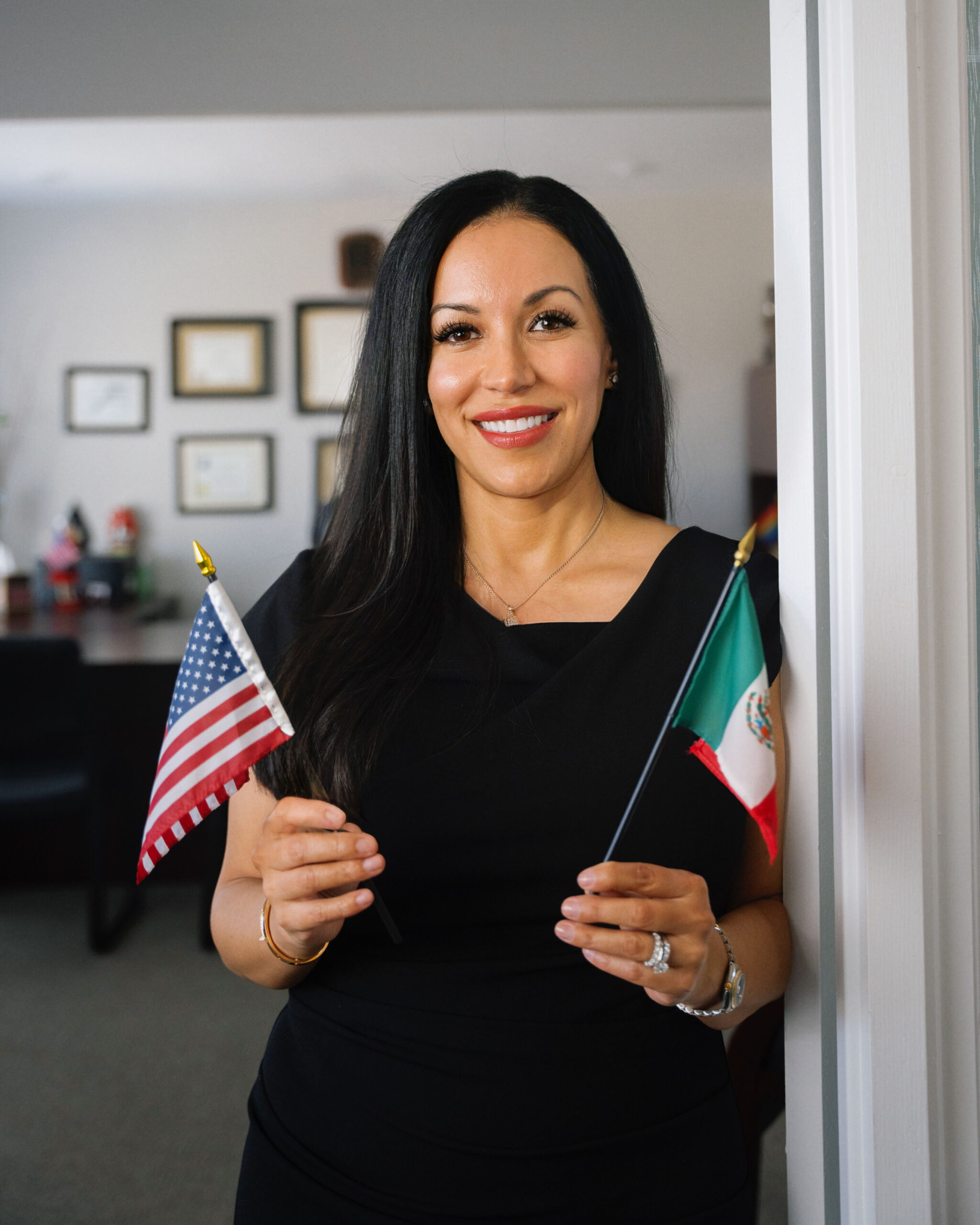
Gilda McDowell is an immigrant from Mexico, a native Spanish speaker, and an attorney focused exclusively on immigration law. Her firm combines lived experience with an organized, evidence-based legal process.
The goal is not to sell false confidence. It is to identify the real legal issue, explain the risks honestly, and build the clearest strategy the facts allow.
“If there is a path forward, we will show it clearly. If there is not, we will tell you honestly.”
These general answers cannot replace advice based on your own immigration history, nationality, travel purpose, prior refusals, and plans in the United States.
What is the difference between a B-1 and B-2 visitor visa?
B-1 classification is generally used for qualifying temporary business activities. B-2 classification is generally used for tourism, visiting family or friends, and medical treatment. Many visas are issued as combined B-1/B-2 visas, but the actual purpose of each trip still must fit an authorized activity.
How long may I stay in the United States?
U.S. Customs and Border Protection determines the authorized period of stay at entry. The traveler should check the electronic Form I-94 and rely on the “Admit Until Date,” not the visa expiration date. Never assume that a visitor will automatically receive six months.
Does an invitation letter guarantee approval?
No. An invitation may help explain the purpose and logistics of a trip, but the applicant must still establish personal eligibility, financial ability, temporary intent, and compliance with the visitor category. The decision is based on the complete record.
Can I work or study on a visitor visa?
A visitor visa does not authorize ordinary employment or enrollment in a full-time academic program. Limited B-1 business activities are different from employment. When plans change, legal advice should be obtained before starting work or study.
Does a visa guarantee that I will be admitted?
No. A visa permits travel to a U.S. port of entry and a request for admission. CBP may admit or refuse the traveler and determines the class and authorized period of stay.
Can I reapply after a visitor visa denial?
Yes, but a new application, fee, and interview are generally required. A strong reapplication should address the actual reason for refusal and usually should include material new evidence or meaningful changed circumstances. There is no appeal from a 214(b) refusal.
What if I need more time after entering the United States?
Some B-1 or B-2 visitors may request an extension from USCIS, generally before the authorized stay expires. Eligibility and timing are fact-specific, and filing a request does not guarantee approval. Do not wait until after the I-94 date to seek guidance.
Can I apply for a green card after entering as a visitor?
Some people may later become eligible for an immigration benefit, but entering with a hidden plan that contradicts the stated temporary purpose can create serious misrepresentation issues. The analysis depends on intent at entry, timing, eligibility, immigration history, and other facts. Obtain individualized legal advice before acting.
Not a Temporary Visit?
The right visa depends on the real goal.
When the plan involves study, marriage, employment, or a longer-term immigration objective, another route may be more appropriate.
Academic or Vocational Study
Student Visas
Explore F-1, M-1, or other study-related options when the primary purpose is education rather than a short visit.
Before you apply, understand what your facts actually show.
Request an initial immigration assessment. The team will review the basic information and explain whether a legal consultation or another next step may be appropriate.
Attorney advertising. This page provides general information and is not legal advice. Reading this page, contacting intake staff, or submitting an assessment request does not create an attorney-client relationship. Every immigration matter is fact-specific. No result, visa issuance, admission, extension, or other outcome is guaranteed. The Law Office of Gilda McDowell is a private law firm and is not affiliated with USCIS, U.S. Customs and Border Protection, the U.S. Department of State, the Department of Homeland Security, or any other government agency.