
Family-Based
A qualifying U.S. citizen or lawful permanent resident spouse, parent, child, or other eligible relative may be able to file a family petition.
Green Cards & Lawful Permanent Residence
You are tired of living year to year. A green card is how that changes. But it only works if you file the right case, in the right order, with the risks in your own history handled first. We tell you which one applies to you before you spend a dollar.
The free assessment helps our bilingual team understand your situation. It is not legal advice and does not create an attorney-client relationship.

Lawful Permanent Residence
A green card, officially a Permanent Resident Card, is proof that you are a lawful permanent resident. It generally lets you live and work here permanently, subject to immigration law. In practice it means you can take the better job, sign the lease in your own name, and go see your mother without wondering if you will get back.
Depending on your eligibility, permanent residence may also provide a future path to U.S. citizenship, the ability to petition certain family members, and greater stability for employment and long-term planning.
“We start with the facts, identify the risks, and build the legal sequence before anything is filed.”
A qualifying U.S. citizen or lawful permanent resident spouse, parent, child, or other eligible relative may be able to file a family petition.
Some people qualify through an employer, extraordinary ability, professional qualifications, investment, or another employment category.
Refugees, asylees, qualifying crime or trafficking survivors, VAWA self-petitioners, and others may have a humanitarian path.
The Diversity Visa program and other special immigrant categories may create eligibility when their separate legal requirements are met.

A Major Green Card Question
DACA does not become a green card by itself. However, some DACA recipients have an independent path to permanent residence that has never been fully reviewed.
Who We Help
Two families can look identical on paper and need completely different cases. Yours depends on how you entered, what was filed before, and who is able to petition for you.
U.S. citizens and permanent residents seeking to petition a spouse, parent, child, or another qualifying relative.
Dreamers who want their family relationships, entry record, advance-parole history, waiver options, and long-term path reviewed.
Asylees, refugees, VAWA self-petitioners, qualifying crime survivors, trafficking survivors, and others seeking protected pathways.
Applicants exploring employment, special immigrant, diversity, adjustment, consular-processing, or waiver-based strategies.
Before Filing
This is the part that keeps people awake, and it is not the forms. It is the fear that one wrong move puts your family in front of a judge instead of a clerk. That fear is reasonable. It is exactly why the review comes before the filing, never after.
The things you would never think to mention are often the things that decide it. An old border encounter. A petition somebody filed for you years ago. A short trip. A charge that was dismissed. An address you used once. We ask about all of it up front, because the government will.
Inspection, admission, parole, entry without inspection, departures, unlawful presence, and prior advance-parole travel may control the strategy.
Old petitions, visa applications, border statements, denials, removal proceedings, and inconsistent information may need review or FOIA records.
Arrests, citations, pleas, dismissed cases, and convictions should be evaluated using certified records before an immigration filing is made.
The qualifying relationship, sponsor eligibility, affidavit of support, tax records, identity documents, and relationship evidence must be complete.
The correct path may involve adjustment inside the United States, consular processing abroad, a waiver, or waiting for a visa number.
Our Process
The goal is to understand the case, identify the risk, and prepare the evidence before asking the government to make a decision.
Share your immigration goal, family situation, entry history, prior filings, and important concerns through the confidential intake form.
When appropriate, the next step is a paid legal consultation where the attorney reviews eligibility, risks, options, and the recommended sequence.
The team identifies required civil documents, relationship evidence, financial records, immigration files, court documents, and translations.
Forms, declarations, exhibits, legal explanations, and supporting documents are organized and reviewed before submission.
The firm tracks notices, prepares responses, communicates next steps, and helps clients prepare for biometrics or interviews when required.
After Approval
Receiving a green card is a major step. Protecting that status requires attention to renewal, travel, taxes, address updates, and immigration consequences.
Lawful permanent residents may generally live and work permanently in the United States and receive legal protections under U.S. law.
Most standard Permanent Resident Cards are valid for ten years and are renewed or replaced through Form I-90 when appropriate.
Permanent residents must continue treating the United States as their permanent home. Extended absences can create serious questions.
Permanent residents should file required tax returns, report address changes to USCIS, avoid falsely claiming U.S. citizenship, comply with Selective Service requirements where applicable, and generally carry evidence of registration if age 18 or older. Permanent residents cannot vote in federal elections.
Client Journeys
A green card changes ordinary things. Which job you can take. Whether you answer the door. Whether you go to the funeral. These are real families, and every case still stands or falls on its own facts.
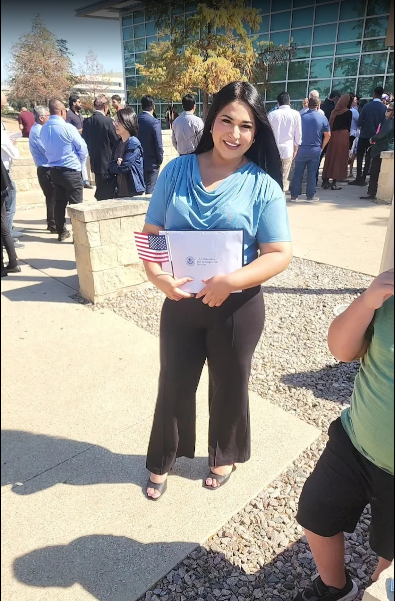
A real client photograph provided for this page, representing the personal meaning that lawful permanent residence can carry.

Immigration decisions rarely affect only one person. A responsible legal plan considers the stability and future of the entire family.
Photographs and descriptions are presented for general informational purposes. Past results do not guarantee or predict the outcome of another immigration matter.
Green Card Resource Guides
These focused guides expand on issues that often decide how a permanent-residence case should be prepared before anything is filed.
Related Immigration Services
Frequently Asked Questions
These answers provide general educational information. Your entry, immigration history, family circumstances, and records may produce a different legal answer.
Request the free immigration guideA Green Card is evidence of lawful permanent resident status. It generally allows a person to live and work permanently in the United States, petition certain qualifying relatives, travel and seek reentry subject to immigration rules, and later apply for citizenship if all naturalization requirements are met.
Common pathways include:
A petition or approved classification does not always resolve inadmissibility, entry-history, or visa-availability issues.
DACA does not itself provide a green card. A DACA recipient may have a separate path through marriage, a U.S. citizen parent, a U.S. citizen child age 21 or older, adjustment after a qualifying admission or parole, consular processing with a waiver, or humanitarian relief.
The correct answer depends heavily on how the person entered the United States, prior travel, unlawful presence, arrests, removal history, and previous immigration filings.
Processing time varies by legal category, visa availability, USCIS or Department of State workload, the applicant’s country of chargeability, required waivers, requests for evidence, interview scheduling, and case-specific complications.
Immediate relatives of U.S. citizens may have different timelines from applicants in numerically limited preference categories.
Some applicants filing for adjustment of status may also qualify to request employment authorization using Form I-765. A pending petition or immigrant visa case does not automatically authorize employment. The filing category and current status must be reviewed.
The expiration of a standard ten-year card does not by itself end lawful permanent resident status, but the physical card should be renewed or replaced through the correct process.
A person with two-year conditional residence should not simply file Form I-90 to remove conditions. Marriage-based conditional residents generally use Form I-751, while qualifying immigrant investors generally use Form I-829.
It can. Permanent residents must continue treating the United States as their permanent home. Lengthy absences, employment or residence abroad, tax treatment, family location, and other facts can create an abandonment question.
Speak with an immigration attorney before an extended trip, especially if you also plan to apply for citizenship.
Start With the Truth
Tell us your goal, your family relationships, your immigration history and what you are most worried about. In about three minutes, in English or Spanish. You will hear back from a bilingual team member within one business day, and you will know whether a green card path exists for you.
There is no promise that a green card path exists. The purpose of the assessment is to identify the right next step without pressure or false hope.
Complete the form as accurately as possible. Important details help the team understand which next step may be appropriate.