
1. Myth
“You need perfect English to become a U.S. citizen.”
2. What People Believe
Many families in Texas believe this myth because they see older relatives struggle with English. In communities along the border or in cities like Houston, Dallas, and San Antonio, stories circulate of grandparents who “failed” English tests or couldn’t answer questions in English. Friends, church members, or coworkers may warn, “Si no hablas bien inglés, no puedes ser ciudadano.” Some families remember past immigration interviews where English fluency felt crucial. Fear of ICE, notario mistakes, or confusing advice from community members can make this myth feel real.
3. The Truth in Texas
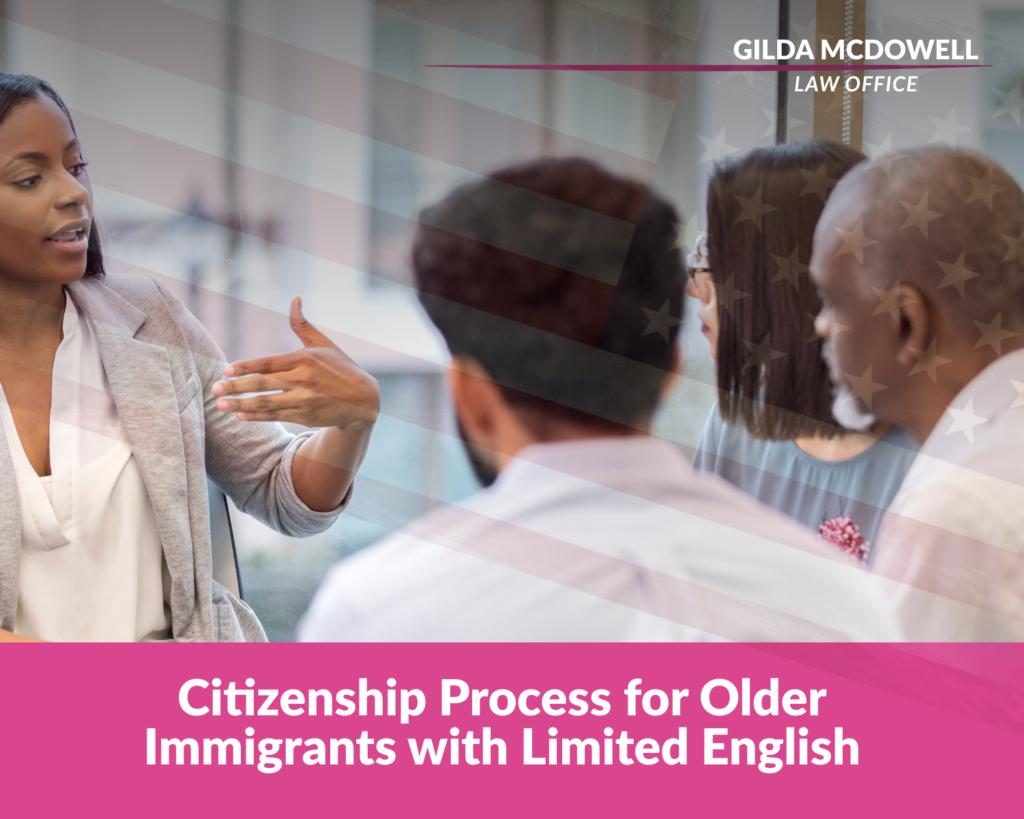
In reality, older immigrants often have options that make the citizenship process possible even with limited English. USCIS provides exceptions for applicants over certain ages who have lived in the U.S. as permanent residents for many years. This can mean simplified English requirements, or sometimes even the ability to take the civics portion in Spanish. The process is about your knowledge of U.S. history, civics, and your ability to communicate enough to complete the interview — not perfect grammar. Many older adults in Texas successfully become citizens every year, maintaining family stability and access to medical care without needing to speak flawless English.
4. Why This Myth Exists
This myth persists because of outdated rules, stories passed down from friends or church members, and confusion between ICE enforcement and USCIS requirements. Social media posts exaggerate failures, and notarios sometimes give wrong advice, warning families that “English is mandatory” when there are real exemptions. Texas’s visible immigration enforcement also increases fear, making families assume anything related to citizenship is harder than it actually is.
5. What This Means for You
You can still explore the citizenship process safely, even if your English is limited. You don’t have to feel ashamed or afraid. Understanding your real options in Texas helps you focus on family, medical stability, and long-term security. Many older adults find peace knowing they can participate fully in the citizenship process without speaking perfect English.
6. Simple Next Steps
- Check if you qualify for an age-based English exemption.
- Ask for the civics portion in Spanish if eligible.
- Gather your permanent residency and family documents ahead of time.
- Talk to a trusted community resource or local support group about the process.
- Practice simple English phrases for the interview — not perfection, just clarity.
7. Closing Reassurance
Be tranquilo — this process is about your vida, your familia, and your stability in Texas. Many older immigrants, just like you, complete the citizenship process and feel proud and secure. You can focus on being present with your family, attending church, and enjoying your retirement, knowing that limited English does not block the path to citizenship. Con paciencia y confianza, you have options and support in your journey.